Livestock water systems and solar well pumps for Colorado ranches
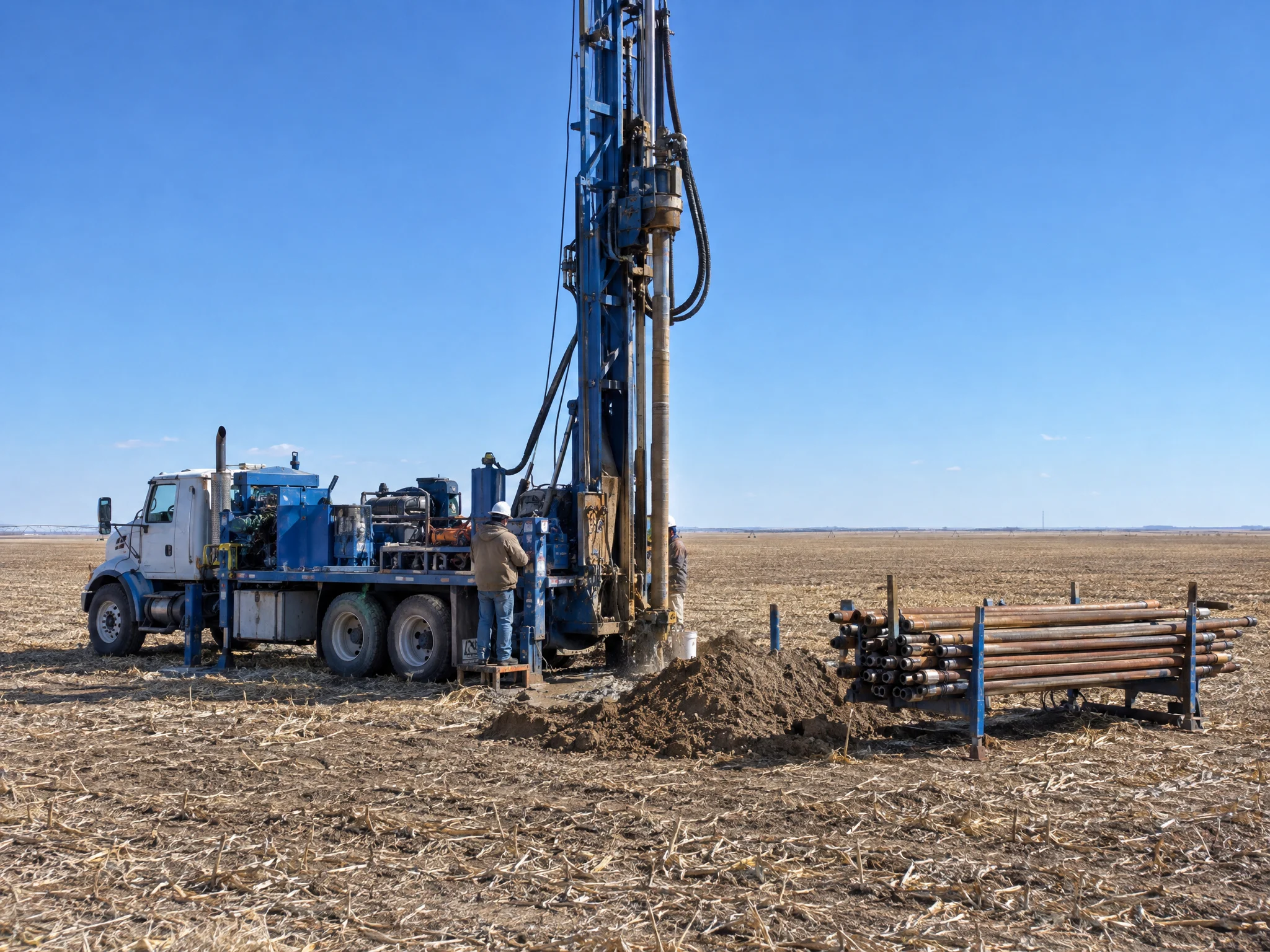
A reliable livestock water system comes down to three things: a well that can keep up with your herd, a pump that runs where you need it, and lines that get water to the tank. For pastures far from a power line, a solar well pump can keep stock tanks filling without hauling water or running a generator. Kuntz Pump & Well Supply drills stock wells and installs solar and electric pumps for ranches across Northeast Colorado.
Planning stock water for your herd
Every livestock water plan starts with the same questions: how many head you water, where the animals are, and where the water can come from. A cow's water use climbs sharply in hot weather and when she is nursing a calf, so a system that keeps up in spring can fall short in July. Planning for peak summer demand, with some extra storage in the tank, is the safest way to size a system.
From there, we work out whether an existing well can supply the water or a new stock well is needed, and where tanks and lines should go.
Do you need a permit for a stock well in Colorado?
Yes. New wells in Colorado, including wells for livestock, need a permit from the Colorado Division of Water Resources before drilling. The permit lists what the well may be used for. Domestic and livestock permits have their own acreage and use requirements set by the state. A household use only permit does not allow livestock watering, so it is worth checking the permit on an existing well before counting on it for stock.
How a solar well pump works
A solar well pump system has three main parts: solar panels, a controller and a pump set down in the well. The panels make power whenever the sun is out, the controller runs the pump from that power, and the pump fills the stock tank. There is no utility line, no monthly power bill for that pasture and no generator to fuel.
Because the pump runs during daylight, the tank does the job of a battery. A tank with enough storage carries the herd through the night and through cloudy stretches. A float or shutoff keeps the tank from overflowing, and the panels are usually fenced off to keep cattle from rubbing on them.
Replacing an old windmill
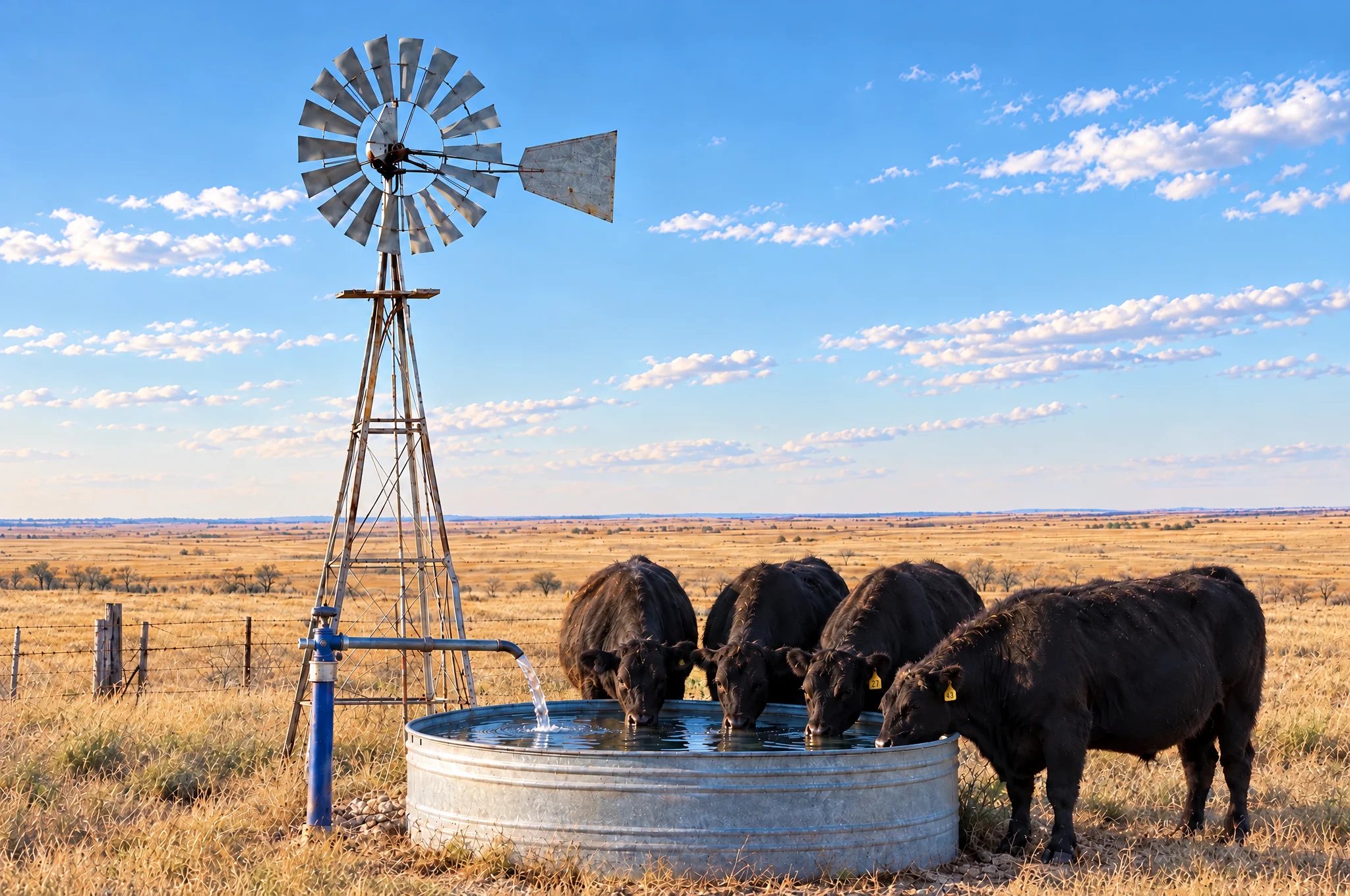
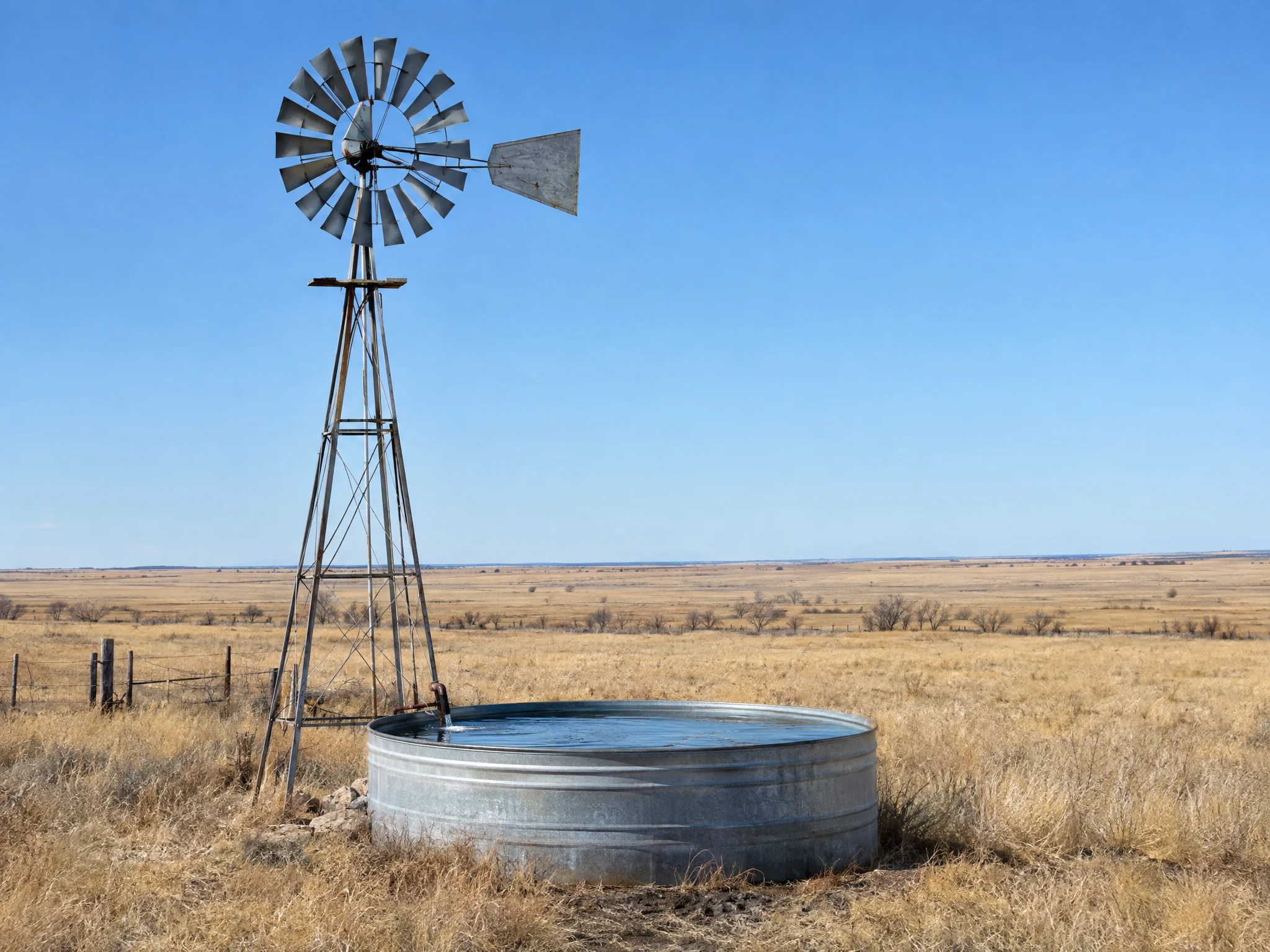
Windmills have watered Colorado cattle for generations, but they only pump when the wind blows and they take regular upkeep. Many ranchers are replacing worn-out windmills with solar pumps, which can often use the existing well. Solar also tends to produce the most power in summer, when cattle drink the most.
Electric pumps where there is power
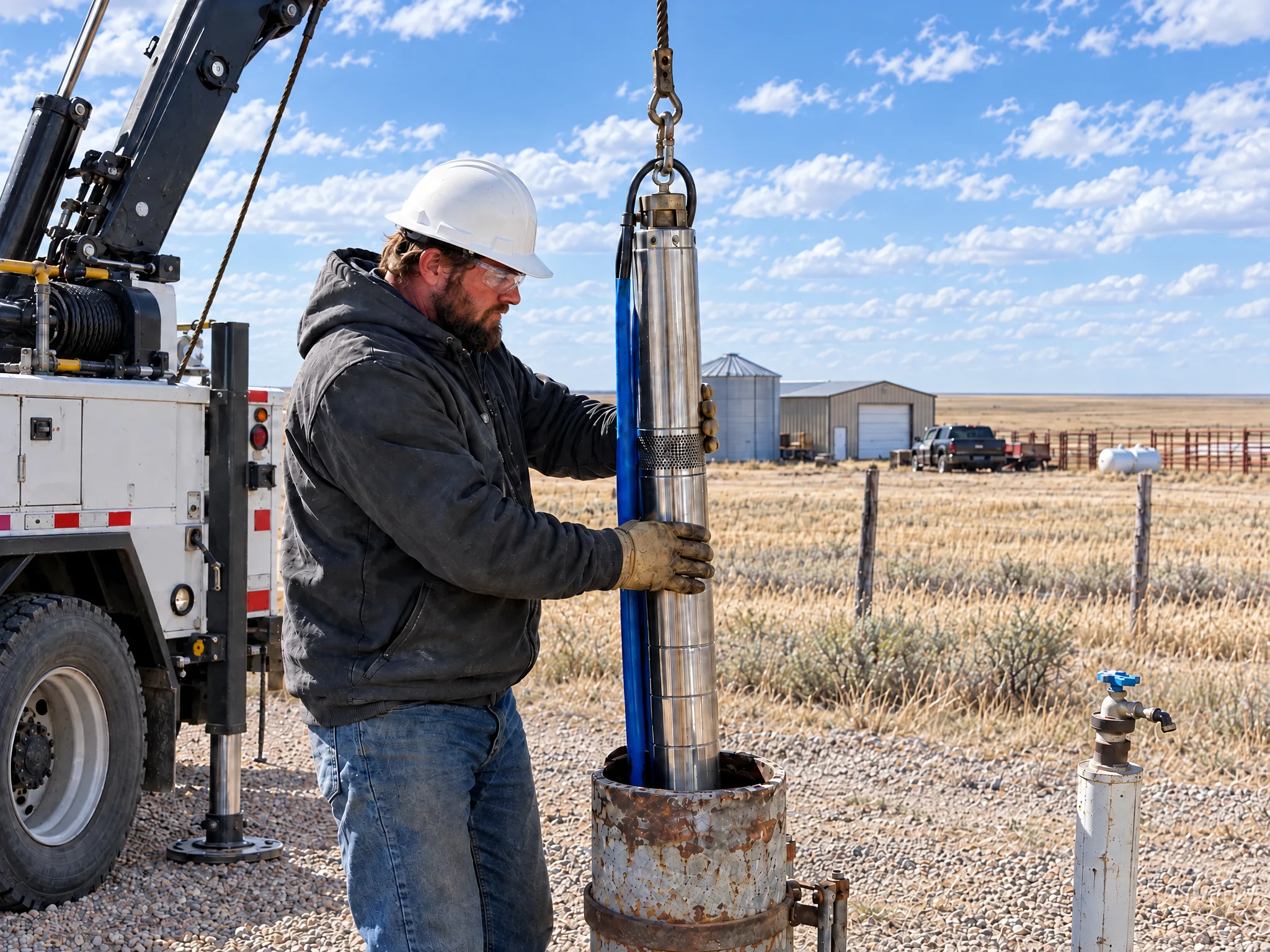
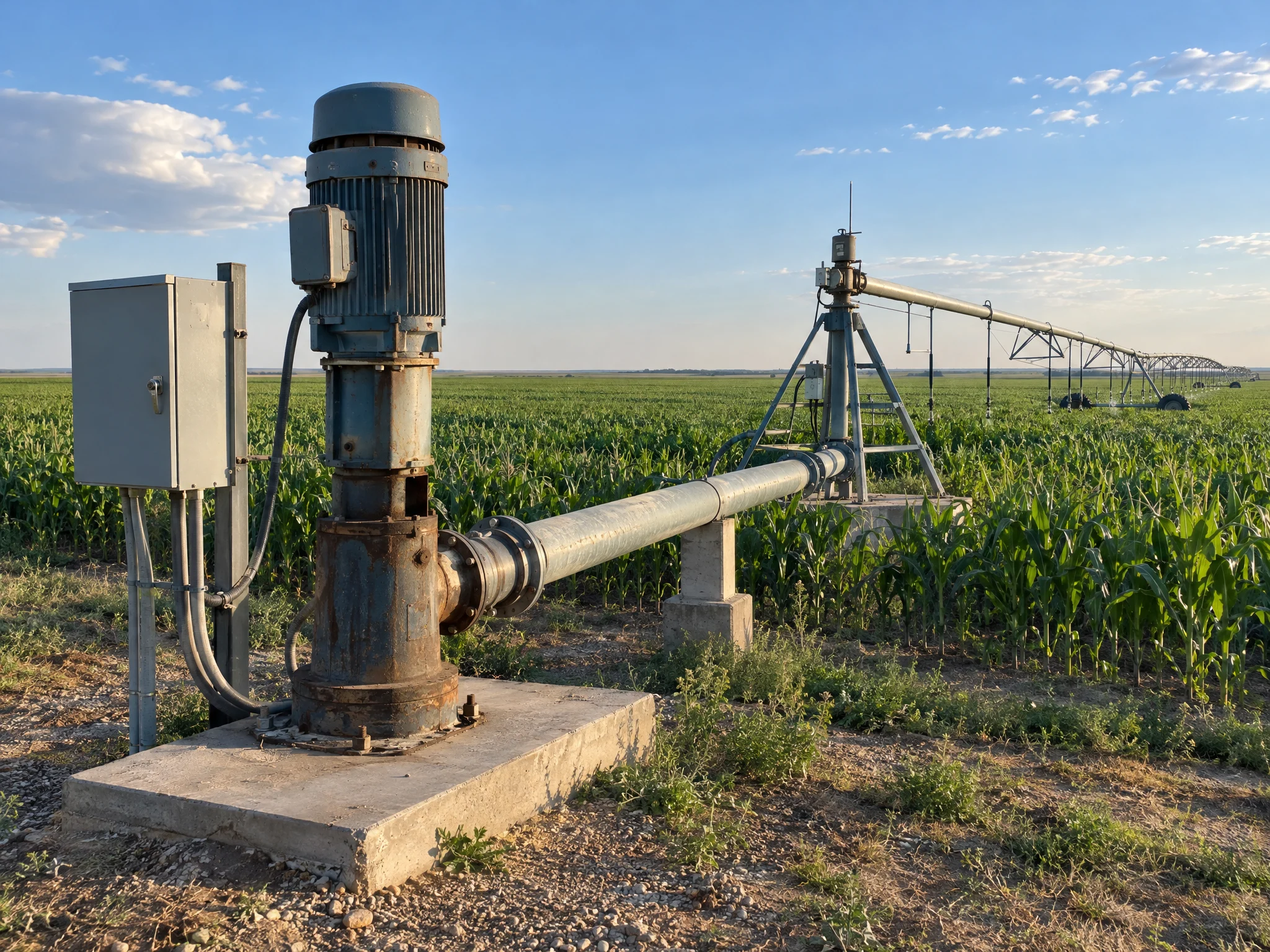
Where a power line is close, an electric submersible pump is a simple, dependable choice. It can feed stock tanks directly or supply a pressure system that serves pens and barns. We size the pump to the well and to how much water your animals need, so it runs in long, efficient cycles.
Getting water to the tank
Water lines need to be protected from freezing in Colorado winters. We run lines from the well to your tanks and set up the hookups so water reaches where the animals are. A concrete pad around the tank keeps the ground from turning to mud and helps the tank last.
When a stock tank stops filling
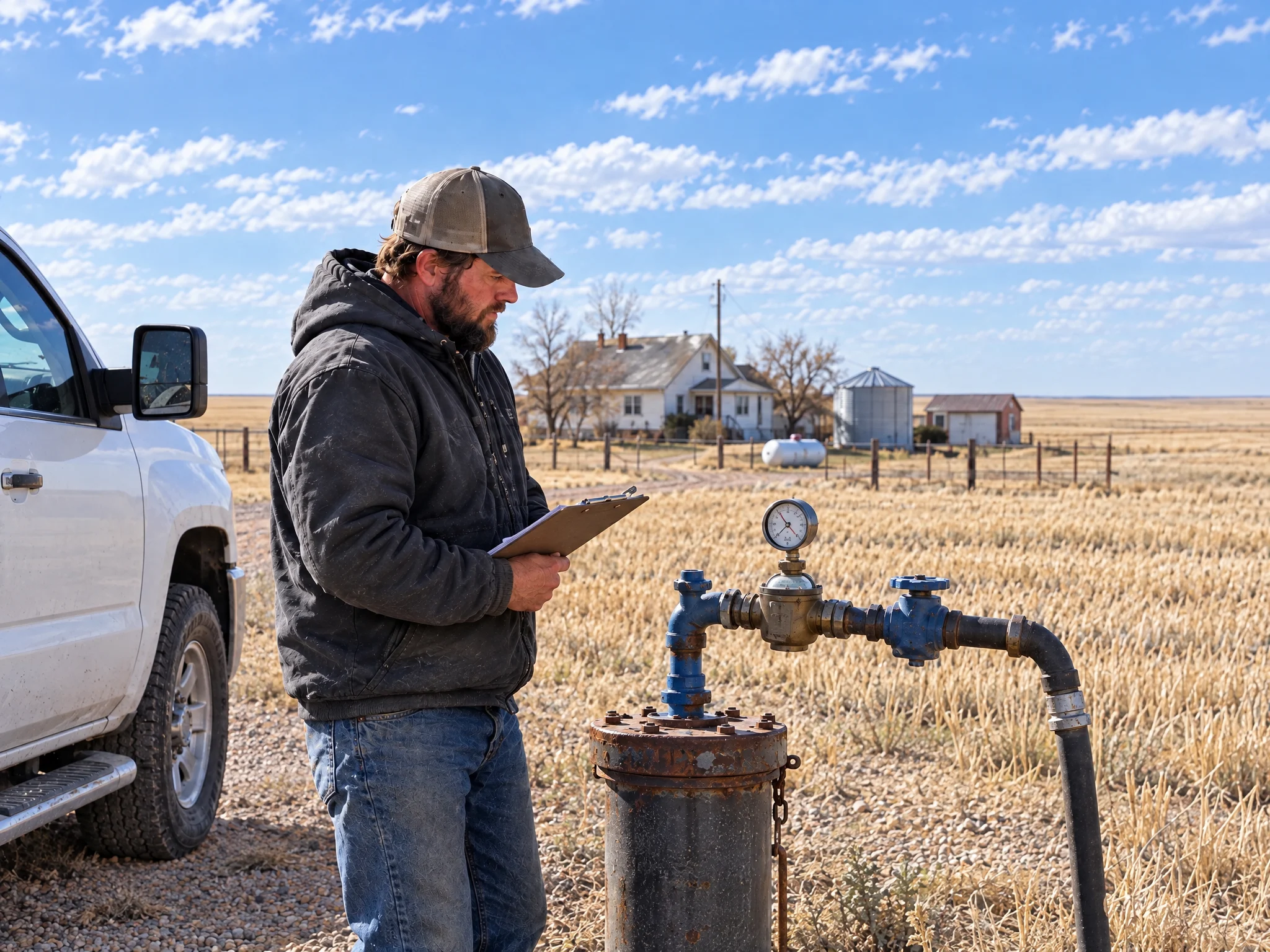
A tank that will not fill is the first job of the day on any ranch. The cause can be the pump, a stuck float or valve, a broken or frozen line, or the well itself. We track down which one it is and fix it, whether the system is solar, electric or an old windmill.
What to have ready
Before we come out, it helps to know roughly how many head you water, where the tanks are and any details on an existing well, such as its permit number or depth. The state's well permit search can often find the permit for an older well.
Stock water across Northeast Colorado
Kuntz Pump & Well Supply is based in Atwood and serves ranches in Logan, Morgan, Sedgwick, Washington, Phillips and eastern Weld counties. We hold Colorado water well construction and pump installation license #1574. Call (970) 522-2035 or send a request with the number of head and where your tanks are, and we will talk through a setup that fits your ground.