A guide to water well drilling in Northeast Colorado
Water well drilling in Northeast Colorado starts long before the rig shows up, with the right state well permit, a good location and a clear idea of what the water is for. Kuntz Pump & Well Supply has drilled wells for farms, ranches and rural homes across Logan, Morgan, Sedgwick, Washington, Phillips and eastern Weld counties for more than 70 years. This guide walks through how a new well comes together, from the permit to the first glass of water.
Start with a Colorado well permit
Colorado law says no well may be built, replaced or modified without a valid well permit from the State Engineer, which is handled by the Colorado Division of Water Resources (DWR). The state says review of a complete application can take up to 49 days, so the permit is the first thing to get moving when you plan a new house, shop or pasture.
The type of permit decides what the well can be used for. Most rural home wells are exempt wells, and the DWR's guide to well permits explains the two common kinds. A household use only permit is limited to indoor use in a single home and does not cover outside watering or livestock. A domestic and livestock permit allows more, such as watering animals, but it has its own acreage and use requirements. The Division of Water Resources decides which permit a property qualifies for and what it allows, so check with them for your situation.
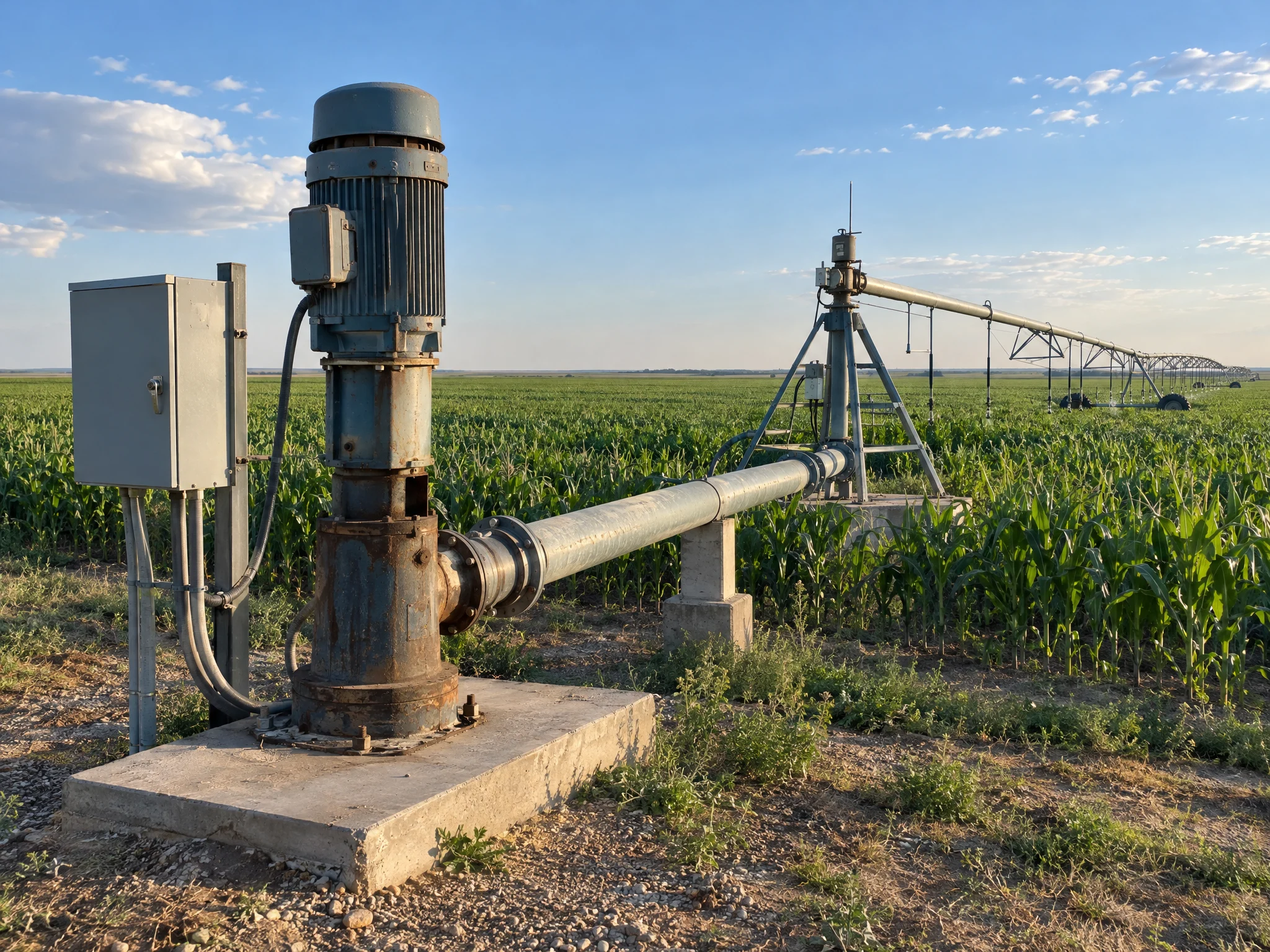
Irrigation and other high-capacity wells fall under different rules. Parts of Northeast Colorado also sit in designated ground water basins, such as the Northern High Plains basin, where the Colorado Ground Water Commission and local ground water management districts add their own requirements. Knowing which rules apply to your land before you plan the well saves time later.
Choosing where to drill
A good well location balances a few things: access for the drilling rig, distance to the house or tanks, and the setbacks that keep a well away from septic systems, corrals and other sources of contamination. On a ranch, putting the well close to where the water is used can save a lot of pipe and trenching.
Records of nearby wells are one of the best tools for planning. The DWR's free well permit search shows the permit file for registered wells, which often includes the well construction report with depth and water level. Neighboring wells give a good picture of how deep you may need to go and how much water the formation underneath is likely to give.
How deep is a well in Northeast Colorado?
There is no single answer, because the ground changes a lot across the region. Along the South Platte River valley, wells may draw from the shallower alluvial aquifer. Out on the high plains, many wells draw from the Ogallala, part of the High Plains aquifer, and can run much deeper. We go over the depth you can expect for your location before drilling starts.
What happens on drilling day
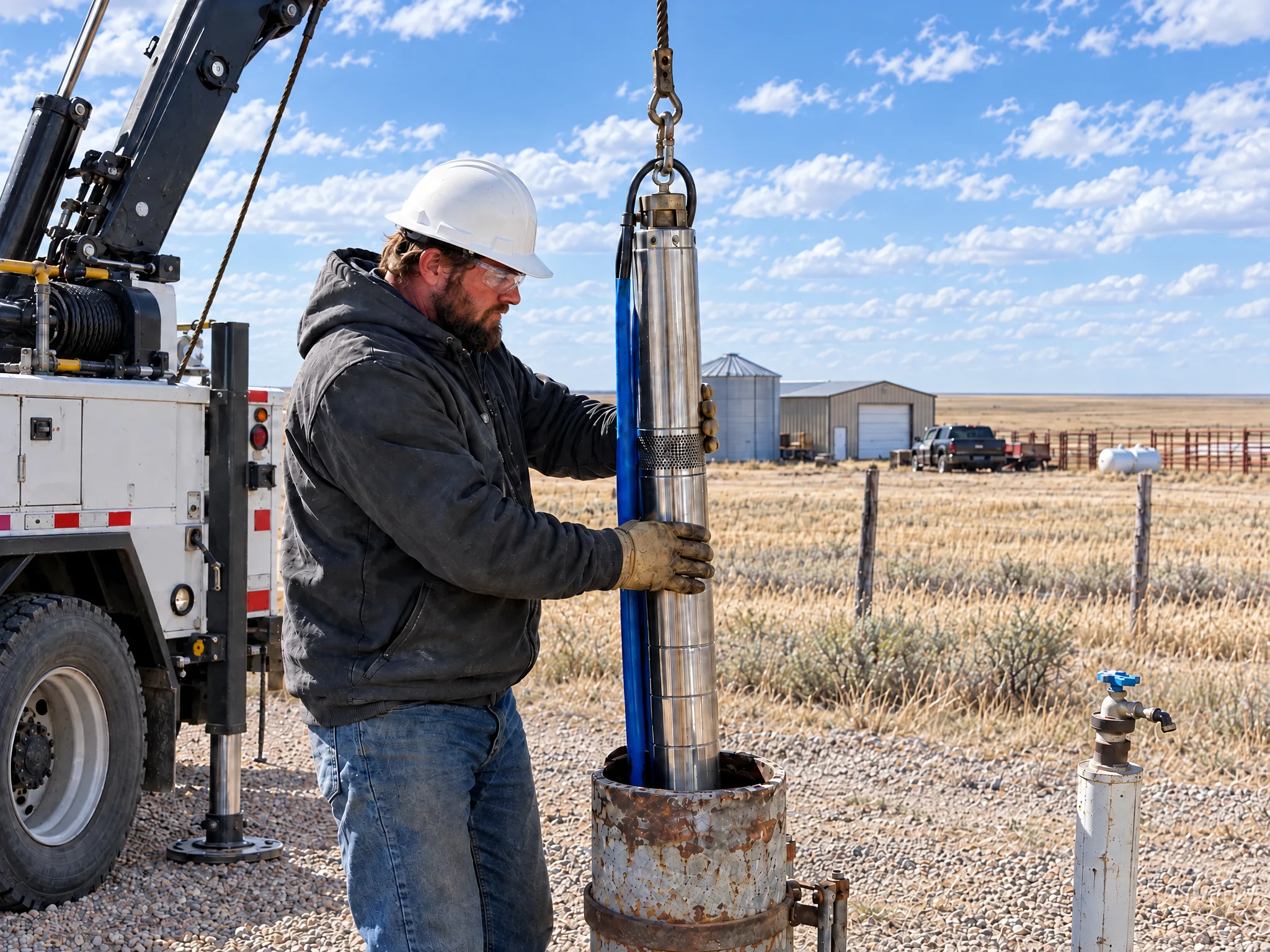
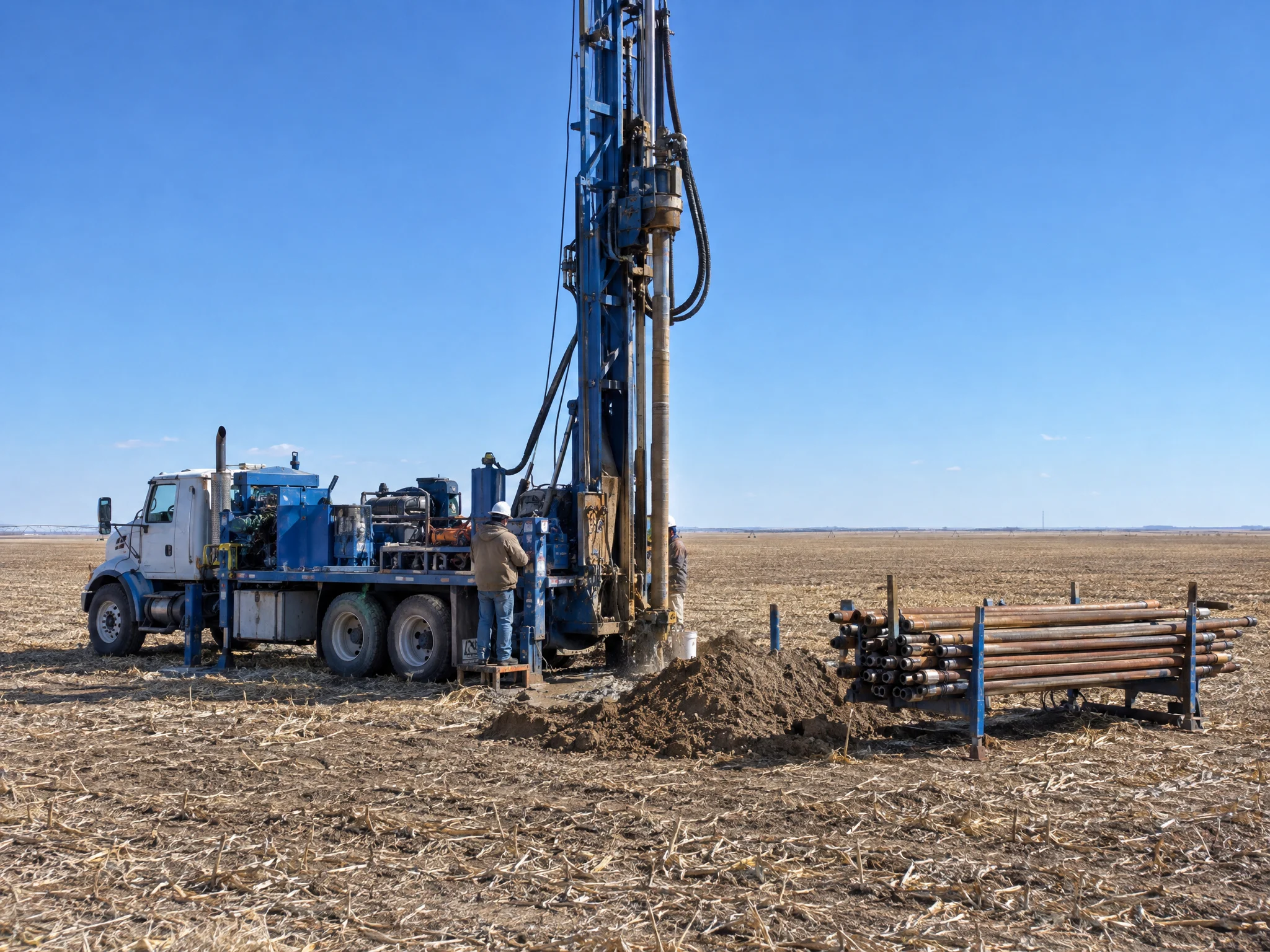
Colorado's well construction rules require a copy of the permit to be posted at the well site while a contractor is working. The rig drills down to water, and the well is cased to hold the hole open and keep surface water out. The space around the casing is grouted to seal the well.
Once the well is drilled, it is cleaned and developed to clear out cuttings and drilling fluid. The rules also require the well to be disinfected before the crew leaves the site. The water level and other details of the finished well are reported to the state.
Pump, pressure tank and hookup
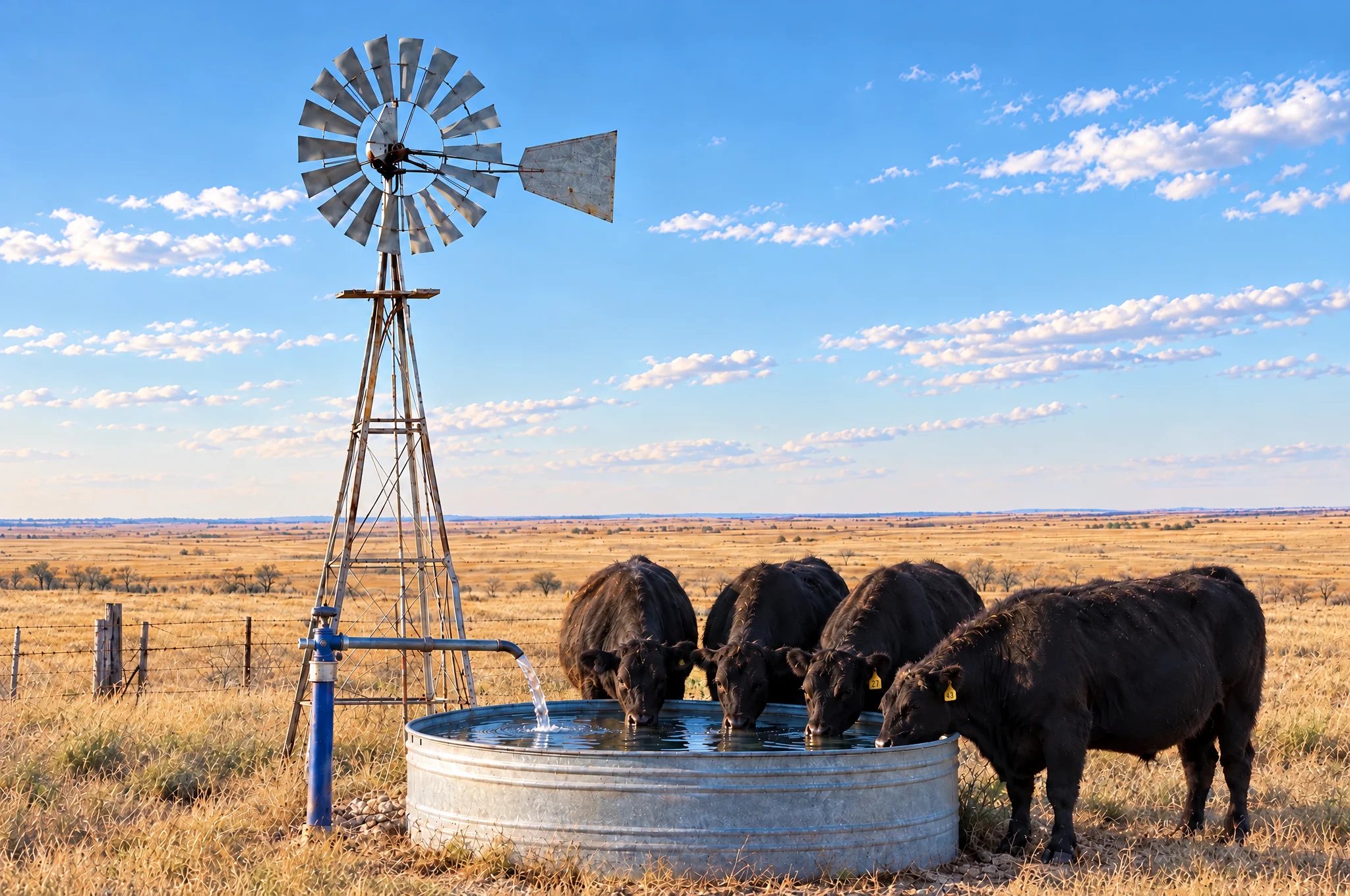
A new well is only useful once water reaches the tap or tank. For a home, that usually means a submersible pump, a well pressure tank and a pressure switch, plus the line to the house. For livestock, it can mean a pump feeding stock tanks directly, including solar setups for pastures with no power line nearby.
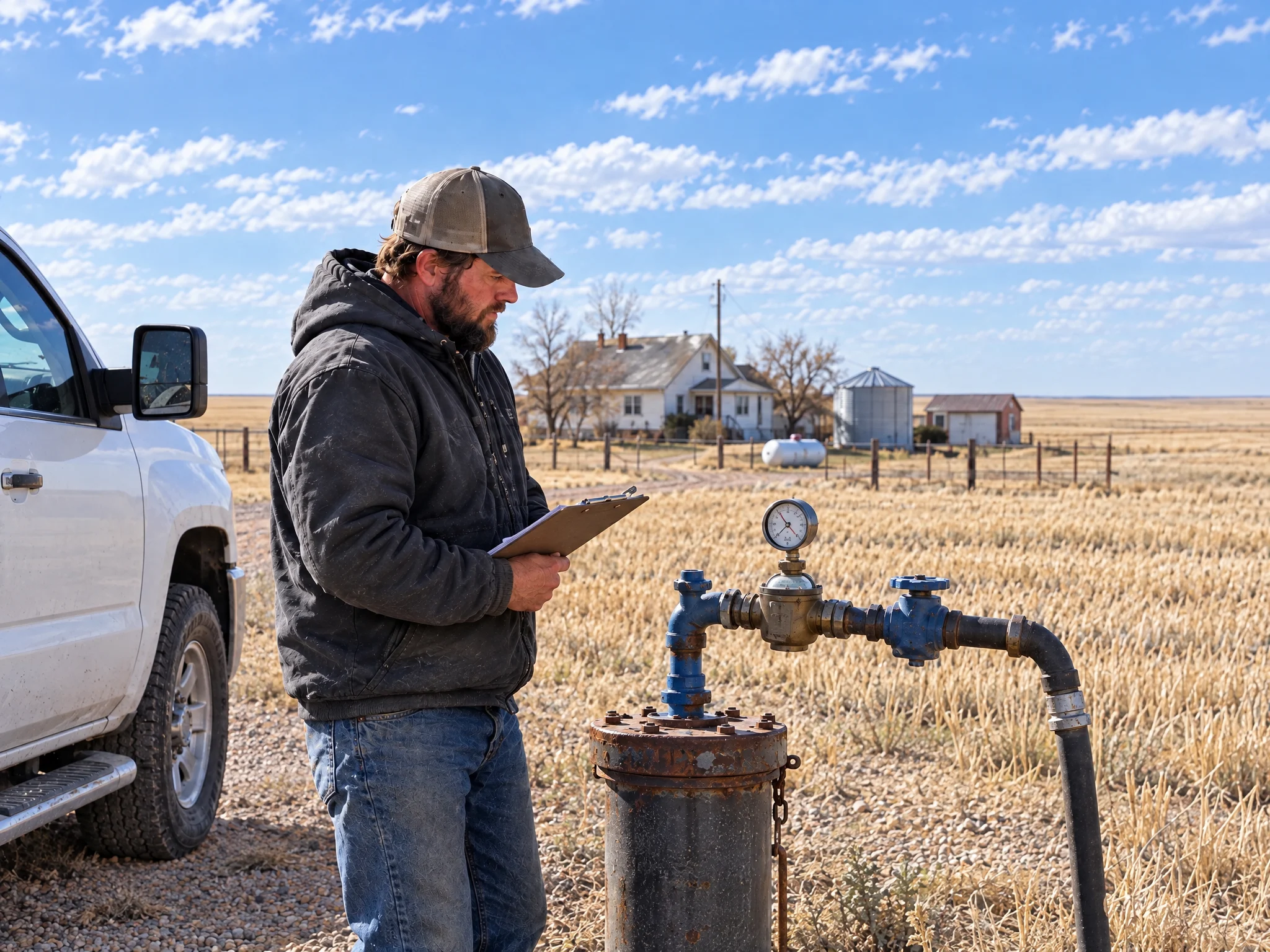
We set the pump, connect the pressure system and run the lines, so the well is ready to use when we leave. A flow test at the end shows how many gallons per minute the finished well delivers. Already have a well that is not keeping up? A well inspection and flow test can tell you why.
Paperwork after the well is finished
The work does not end when the water runs. The well construction contractor files a Well Construction and Test Report with the state, which records how the well was built and how it tested. When the pump goes in, a pump installation report is filed too. These records stay in the permit file, which helps the next owner, lender or contractor understand the well.
Signs it is time for a new well
People usually call about drilling for one of a few reasons: building on new ground, adding water to a pasture or pen, or replacing an old well that has gone dry or failed beyond repair. Others need more water than their current well can give, or want to move a well away from a septic system or corral.
Work with a licensed Colorado driller
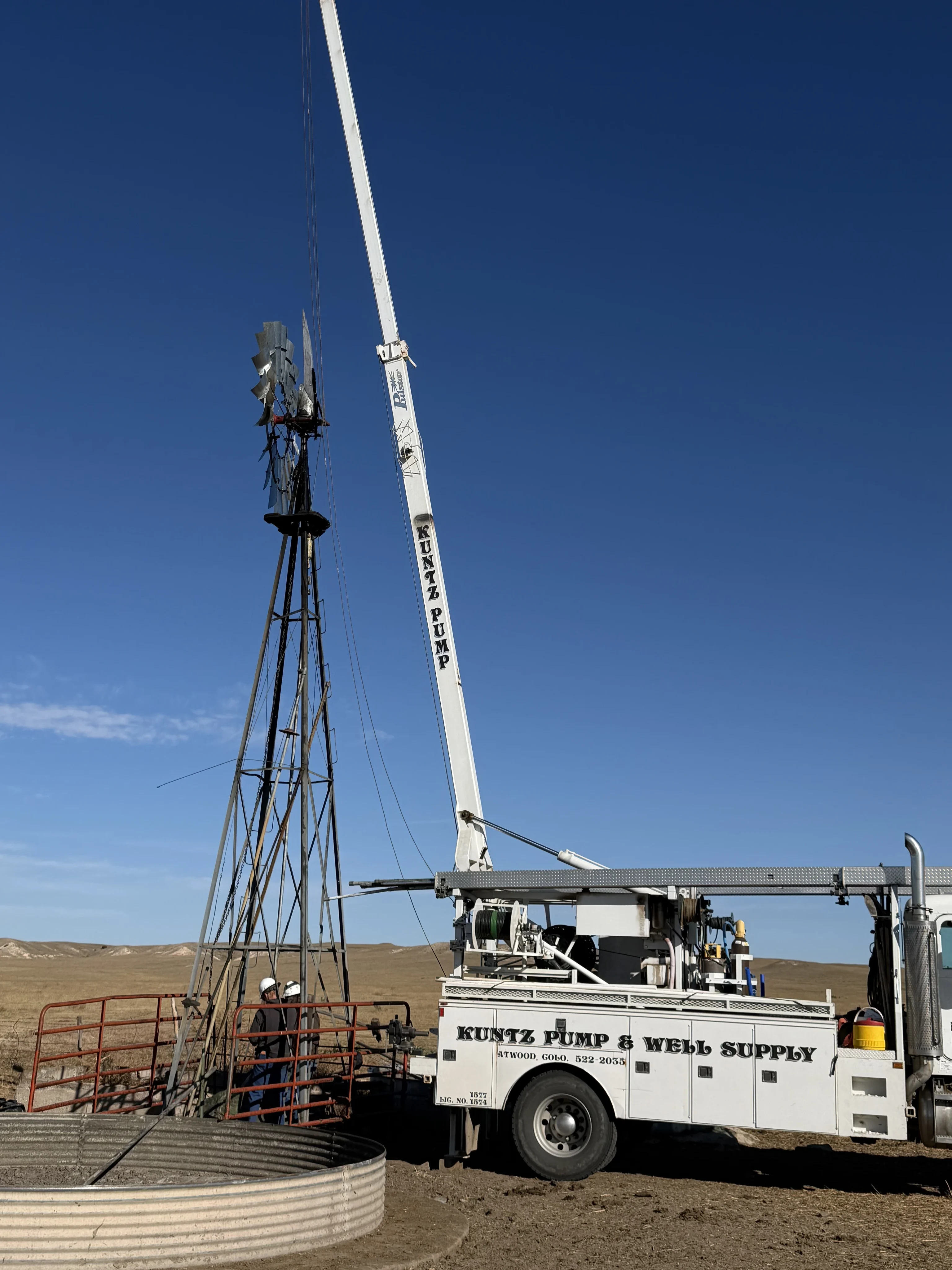
Kuntz Pump & Well Supply is based in Atwood, serves farms and ranches across Northeast Colorado and holds Colorado water well construction and pump installation license #1574. Our office is open Monday to Friday, 8 a.m. to 5 p.m., with on-call service on weekends. Call (970) 522-2035 or send a request with your location and what the water is for, and we will follow up about your new well.